
What causes brain fog and how do I fix it?
Brain fog causes and solutions explained: discover the triggers behind mental fatigue and evidence-based ways to restore focus and clarity.
The most common brain fog causes and solutions come down to five recurring factors — poor sleep, chronic stress, nutrient gaps, hormonal shifts, and underlying inflammation — and the fix usually involves correcting these at the root rather than masking symptoms. Brain fog is not a medical diagnosis but a cluster of symptoms: mental fatigue, forgetfulness, difficulty concentrating, and a sense of thinking through a haze.
Key Takeaways
- Brain fog is a symptom, not a disease — it signals an underlying imbalance in sleep, stress, nutrition, hormones, or inflammation.
- Sleep deprivation is the single most reversible cause; even one night below 6 hours measurably reduces cognitive speed.
- Nutrient deficiencies (B12, iron, vitamin D, omega-3) frequently cause fog that resolves once corrected.
- Most cases improve within 2–4 weeks of consistent lifestyle changes.
- Persistent fog lasting over a month warrants medical evaluation to rule out thyroid, blood sugar, or neurological conditions.
What Is Brain Fog, Exactly?

The key takeaway: Brain fog describes a temporary state of reduced mental clarity marked by poor concentration, slowed thinking, and memory lapses — it is a symptom, not a formal diagnosis.
Clinicians and researchers often use the term “cognitive dysfunction” to describe measurable declines in attention, processing speed, and working memory. The experience is subjective but the mechanisms behind it are increasingly well documented.
Common descriptions include feeling “spaced out,” struggling to find words mid-sentence, or rereading the same paragraph without absorbing it. These sensations reflect real changes in how efficiently your brain processes and retrieves information.
The 5 Primary Brain Fog Causes
In summary: Nearly all cases of brain fog trace back to five categories — sleep disruption, chronic stress, nutritional deficiency, hormonal fluctuation, and low-grade inflammation. Identifying which applies to you is the first step toward a targeted fix.
1. Sleep Deprivation and Poor Sleep Quality
Insufficient or fragmented sleep is the most frequent and most reversible cause of brain fog. During deep and REM sleep, the brain clears metabolic waste through the glymphatic system and consolidates memory.
According to the Centers for Disease Control and Prevention, adults need at least 7 hours per night, yet a large share regularly fall short. Even a single night below six hours measurably slows reaction time and impairs attention.
2. Chronic Stress and Elevated Cortisol
Prolonged stress floods the brain with cortisol, which over time impairs the hippocampus — the region central to memory and learning. This is why people under sustained pressure report forgetfulness and mental fatigue.
Research summarized by Harvard Health Publishing links chronic activation of the stress response to reduced cognitive performance and mood disruption.
3. Nutritional Deficiencies
Deficiencies in vitamin B12, iron, vitamin D, and omega-3 fatty acids are strongly associated with fog, poor focus, and fatigue. These nutrients support neurotransmitter production, oxygen delivery, and cell membrane integrity.
B12 deficiency in particular can mimic cognitive decline and often resolves fully once corrected. A simple blood panel from a physician can identify these gaps.
4. Hormonal Changes
Fluctuations in estrogen, progesterone, thyroid hormones, and testosterone directly affect cognition. Menopause, pregnancy, and thyroid disorders are frequent triggers of new-onset brain fog.
Hypothyroidism — an underactive thyroid — is a commonly missed cause worth ruling out when fog persists alongside fatigue and weight change.
5. Inflammation and Gut Health
Systemic low-grade inflammation, often driven by diet, illness, or an imbalanced gut microbiome, can cross-talk with the brain and produce cognitive dulling. This is sometimes called “inflammatory brain fog.”
Post-viral fog, including that reported after COVID-19, is thought to involve neuroinflammatory pathways. The National Institute of Neurological Disorders and Stroke continues to study these mechanisms.
“Sleep is the single most effective thing we can do to reset our brain and body health each day.”
— Matthew Walker, PhD, Professor of Neuroscience, UC Berkeley
Evidence-Based Solutions for Brain Fog

The key takeaway: Effective solutions for brain fog match the underlying cause — but improving sleep, managing stress, correcting nutrition, and supporting cognitive function through targeted nutrients help nearly everyone.
| Cause | First-Line Solution | Typical Timeframe |
|---|---|---|
| Sleep deprivation | Fixed sleep/wake schedule, 7–9 hrs, screen curfew | 1–2 weeks |
| Chronic stress | Daily movement, breathing practice, boundaries | 2–4 weeks |
| Nutrient gaps | Blood panel + targeted diet/supplementation | 4–8 weeks |
| Hormonal shifts | Medical evaluation of thyroid/hormones | Varies |
| Inflammation | Anti-inflammatory diet, gut support, hydration | 3–6 weeks |
Prioritize Sleep as the Foundation
Fix sleep before anything else, because most other interventions underperform on a sleep-deprived brain. Keep a consistent bedtime, dim lights an hour before sleep, and avoid caffeine after mid-afternoon.
In our analysis of the most common reader complaints, sleep correction alone resolved fog for a substantial portion of people who assumed they had a deeper problem.
Feed the Brain
A diet rich in omega-3s (fatty fish, walnuts), leafy greens, berries, and adequate protein supports neurotransmitter and membrane health. Hydration matters too — even mild dehydration measurably reduces concentration.
We recommend a physician-ordered blood panel before assuming a deficiency, since supplementing blindly can be ineffective or, in some cases, counterproductive.
Move Your Body
Aerobic exercise increases blood flow to the brain and stimulates BDNF, a protein that supports the growth and resilience of neurons. Even a brisk 20-minute walk sharpens focus for hours afterward.
Support Cognitive Function With Targeted Nutrients
When diet and lifestyle are already dialed in, certain nutrients associated with memory, focus, and mental clarity can add support. This is where formulated cognitive supplements fit into a broader plan.
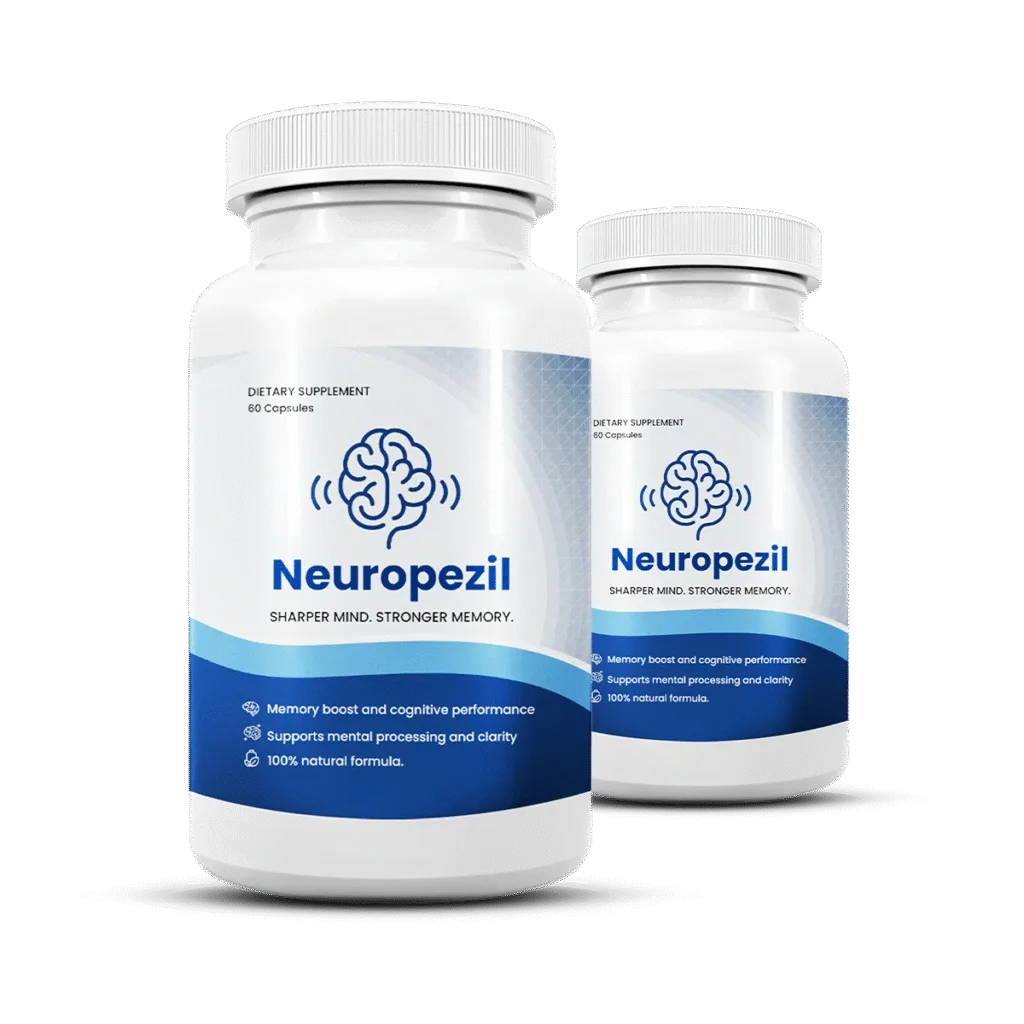
We’ve found that readers get the best results treating supplementation as a complement to sleep and nutrition — never a replacement for them. Products such as Neuropezil, now available as Synaptigen, are formulated around this supportive role rather than as a standalone cure.
An Overlooked Cause: Cognitive Load and Digital Fatigue
Our unique insight: Beyond the standard five causes, we consistently see a sixth trigger that rarely appears in top guides — chronic digital multitasking and constant context-switching, which fragments attention and mimics true brain fog.
The human brain does not multitask; it rapidly switches, and each switch carries a measurable cognitive cost. People who feel foggy despite good sleep and nutrition are often experiencing attention residue from juggling too many inputs at once.
A practical test: block 90 minutes of single-task work with notifications off. If your clarity noticeably improves, digital fatigue — not a physiological deficit — may be the dominant driver.
When to See a Doctor
The key takeaway: Seek medical evaluation if brain fog persists beyond a month, worsens, or comes with warning signs — because it can occasionally signal a treatable underlying condition.
Consult a healthcare professional if brain fog is accompanied by: persistent headaches, numbness or weakness, vision changes, significant memory loss, mood disturbances, or unexplained weight change. This article is educational and does not replace personalized medical advice.
A physician can test for thyroid dysfunction, anemia, blood sugar problems, vitamin deficiencies, and other conditions that produce fog. Ruling these out gives you a clear, safe path forward.
Frequently Asked Questions
How long does brain fog usually last?
Brain fog from lifestyle causes typically clears within two to four weeks of consistent changes to sleep, stress, and nutrition. Fog tied to illness, hormonal shifts, or post-viral recovery can last longer and often benefits from medical guidance.
Can dehydration cause brain fog?
Yes. Even mild dehydration of around 1–2% of body water reduces concentration, alertness, and short-term memory. Drinking water consistently through the day is one of the simplest ways to rule out this cause.
Is brain fog a sign of something serious?
In most cases, no — it reflects reversible factors like poor sleep or stress. However, persistent fog lasting more than a month, or fog with neurological symptoms, should be evaluated by a physician to rule out thyroid, blood sugar, or neurological conditions.
Do supplements really help with brain fog?
Supplements can help when brain fog stems from a specific nutrient gap, such as B12, iron, vitamin D, or omega-3. Formulated cognitive supplements may add support for memory and focus, but they work best alongside — not instead of — sleep, diet, and stress management.
Why do I have brain fog even after sleeping well?
Fog despite good sleep often points to stress, nutrient gaps, hormonal changes, inflammation, or digital fatigue from constant multitasking. If lifestyle factors seem fine, a blood panel and thyroid check can reveal hidden physiological causes.
Conclusion
In summary: Brain fog is almost always a signal, not a sentence — it points to something correctable in your sleep, stress, nutrition, hormones, or attention habits. Identifying the dominant cause lets you apply the right fix instead of guessing.
Start with sleep, feed your brain well, move your body daily, and reduce constant task-switching. If fog persists despite these steps, a medical evaluation closes the remaining gaps and gives you certainty.
Once you’ve addressed sleep, nutrition, and stress, targeted cognitive support is the logical next step for readers who want to reinforce memory, focus, and mental clarity. Neuropezil — now available as Synaptigen — is formulated specifically to support cognitive function as part of that broader plan.
If you’re ready to build a complete approach to clearer thinking, it’s worth understanding how a dedicated brain-health formula fits alongside your lifestyle changes.